Strength and Conditioning Coach vs Personal Trainer: Which Do You Need?
Both teach you to lift. One builds athletes for a season; the other builds ordinary adults for the rest of their lives. Here is what each is trained to do, and how to tell which one your goal calls for.
You want to get stronger, and somewhere along the way you noticed two job titles that sound like the same thing. One says strength and conditioning coach. The other says personal trainer. So you typed strength and conditioning coach vs personal trainer to find out whether one is the serious option and the other is the watered-down one.
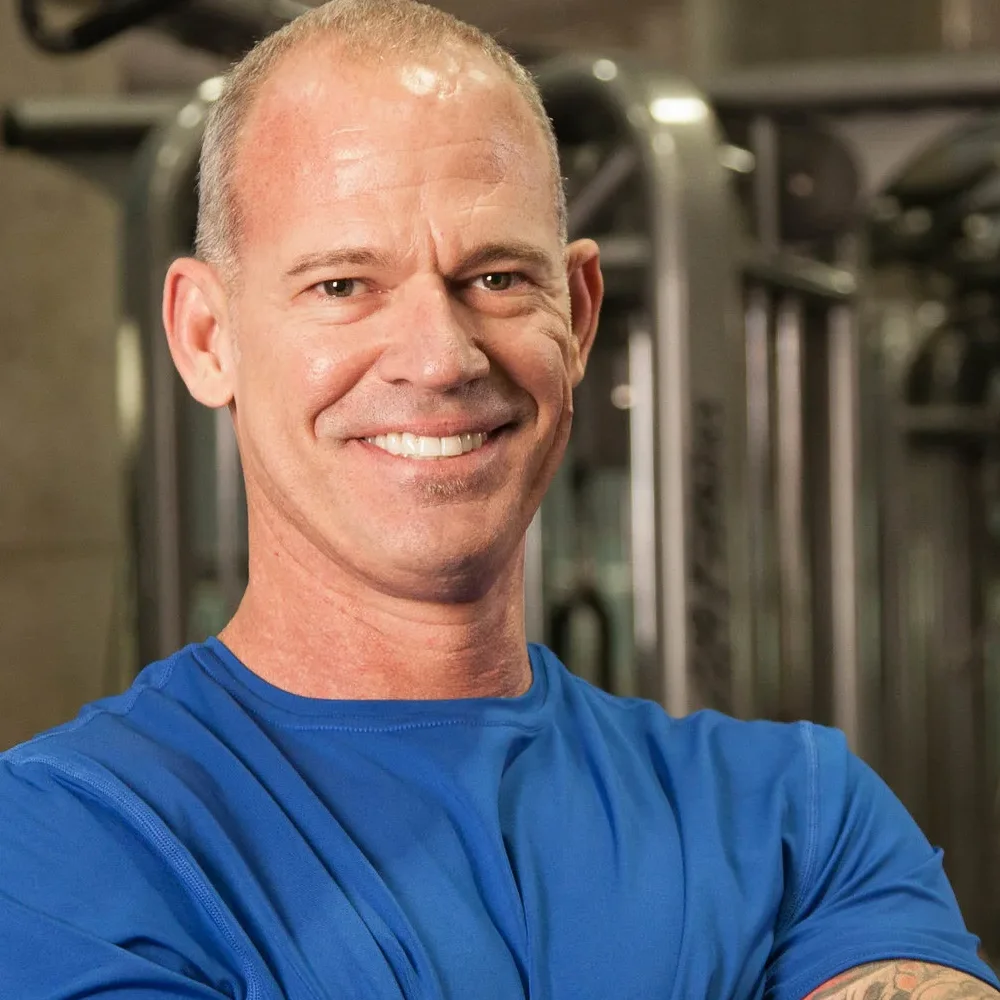
Neither is. They are built for different people. I have been a NASM Certified Personal Trainer since 2004 and have spent 20+ years training clients privately in South Tampa, collegiate athletes and new moms alike. I am a personal trainer, not a certified strength and conditioning coach, and I will tell you plainly below when you should go and find one of those instead of me.
What a Strength and Conditioning Coach Does
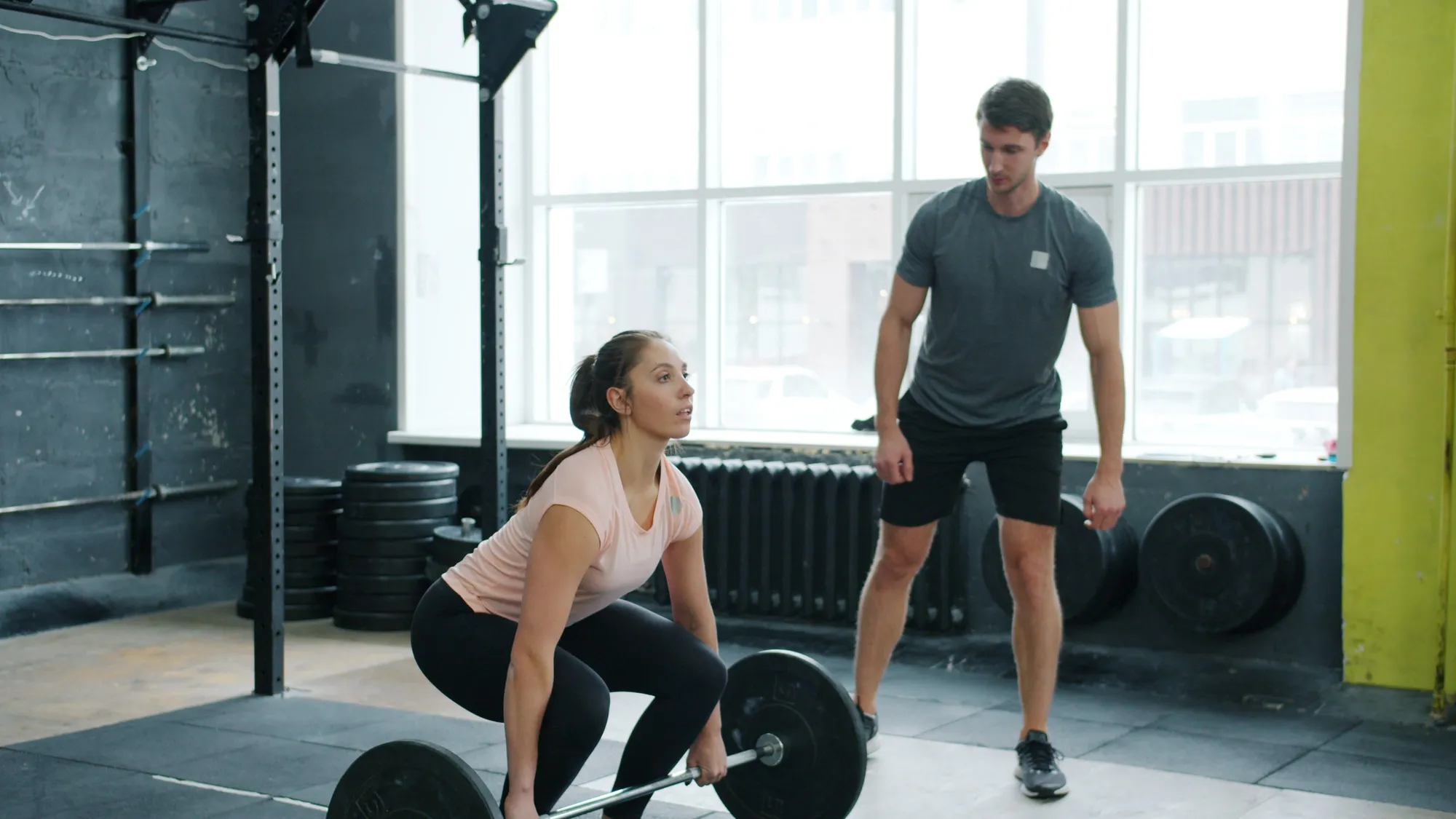
A strength and conditioning coach prepares athletes to perform in a sport. The job usually lives in a high school, college or professional weight room, often with a whole team at once, and it is measured by what happens on the field.
The goal is performance. Speed, power, jumping, changing direction, and staying healthy through a long season.
The calendar is the sport’s. Training is planned around an off-season, a preseason and an in-season, so the athlete peaks when the games count.
The athlete already moves well. Most arrive young, active and practicing their sport several days a week, and the lifting is built around that practice load.
The usual credential is the CSCS. The Certified Strength and Conditioning Specialist, from the National Strength and Conditioning Association, requires a bachelor’s degree (or being a college senior) and current CPR and AED certification before it is awarded.
What a Personal Trainer Does
A personal trainer works with the rest of us: adults whose goal is to feel better, look better, move without pain and keep doing that for decades. Usually one-on-one, usually with somebody who has not trained in a while, and almost always with something to work around: a desk job, a stiff back, a baby, a knee that complains on stairs.
The goal is yours. Weight loss, strength, energy, getting off the floor easily, carrying a car seat without thinking about it.
The calendar is your life. There is no season to peak for, so the plan is built to survive a bad week, not to win a championship.
It starts with an assessment. Balance, strength, coordination and flexibility, so the first weight you lift is chosen for the body in front of me, not for a template.
The usual credential is a CPT.NASM’s Certified Personal Trainer (opens in a new tab) asks for a high-school diploma or GED and current CPR and AED certification. That is a lower bar to enter than the CSCS, which is why continuing education matters so much more in this half of the field.
It is also why I kept going after the certificate: 31 continuing-education courses on my record, most of them in older-adult training, injury and posture work, and high-intensity methods. A personal trainer’s job is harder to standardise than an athlete’s, because no two clients walk in with the same history.
Strength and Conditioning Coach vs Personal Trainer, Side by Side
The same barbell, two very different jobs:
Strength and conditioning coach
Who: athletes, often a whole team at once.
Aim: faster, more powerful, more durable in one sport.
Plan: periodised around a competitive season.
Session: a group in a weight room, the coach moving between racks.
Usual credential: CSCS, which requires a bachelor’s degree.
Personal trainer
Who: adults of any age and starting point, usually one at a time.
Aim: health, strength, weight loss and moving without pain.
Plan: built around your week, your history and what your doctor has cleared.
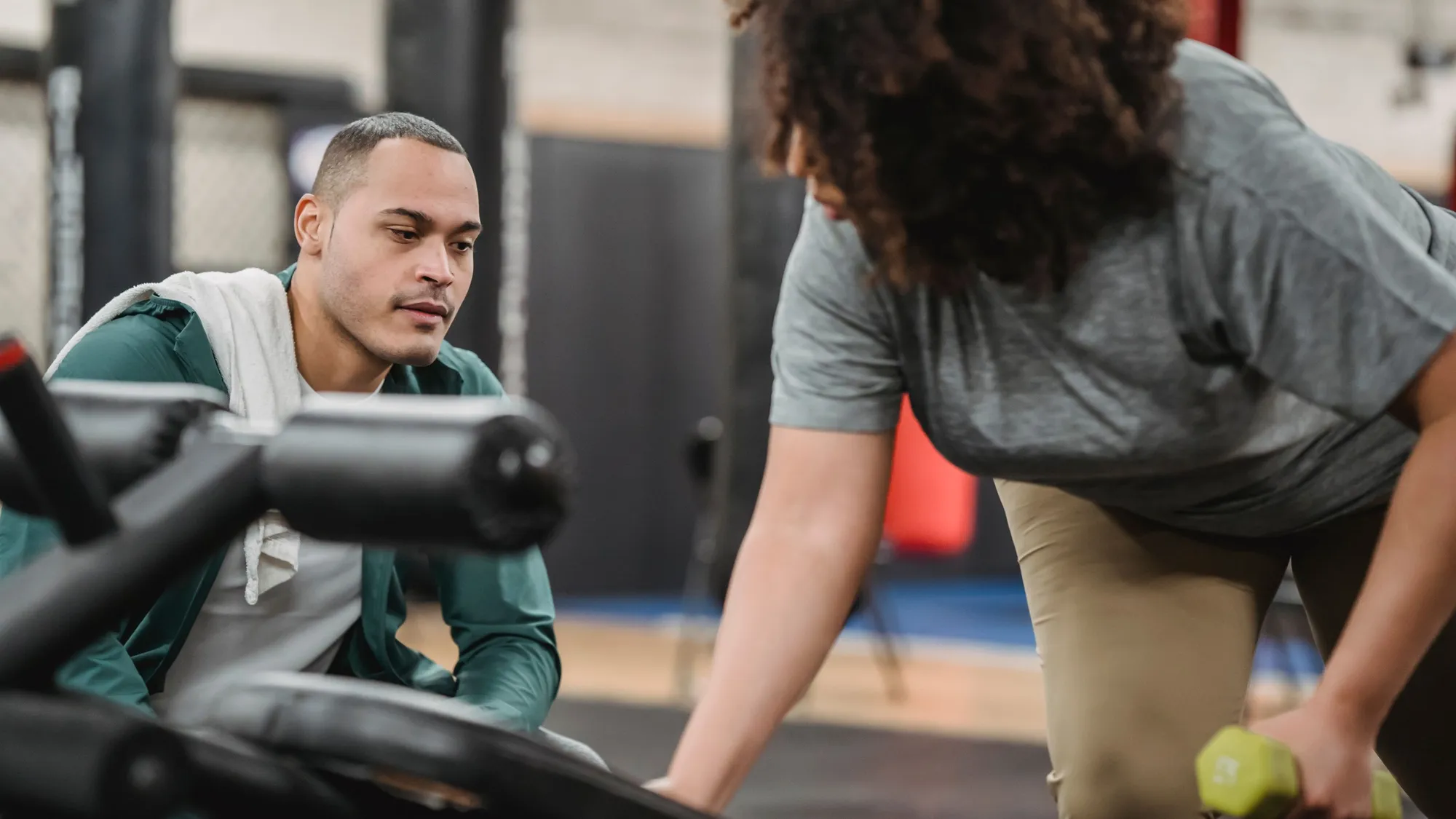
Session: one person watching every rep and adjusting as you go.
Usual credential: a CPT, such as NASM, plus continuing education.
Where the Two Jobs Overlap
The line between them is blurrier than the titles make it sound. A squat is a squat. Plenty of strength coaches train adults on the side, and a good personal trainer borrows from athletic training all the time: intervals, sled pushes, loaded carries, lifts strung together into circuits. Some of my own courses sit right on that line: “Strength and Conditioning for Seniors” (2017), “Designing Exercise Complexes” (2017) and “High Intensity Training: When Less Is More” (2019).
So the title on the business card matters less than what the person actually does with you. Do they test you before they load you? Do they watch every rep, or the clock? Do they change the plan when your back or your schedule changes? Those answers tell you more than any three letters after a name.
One thing neither of them is: a physical therapist. If something hurts, or you are recovering from an injury or surgery, the first stop is your doctor or a physical therapist. Training picks up where they leave off.
Which One Do You Need? Goal by Goal
Find your goal. For most South Tampa adults, the answer is the same one.
Losing weight
A personal trainer
Weight loss is a habit problem before it is a programming problem: steady strength sessions, food you can keep eating and somebody expecting you on Tuesday morning. That is the whole of my weight loss training, and there is no season to peak for.
Living with back pain
A personal trainer, once you are cleared
After your doctor or physical therapist clears you, the work is slow, careful core and hip strength, chosen around what your back tolerates that day. I wrote a whole guide to training with back pain.
Getting stronger after 40 or 50
A personal trainer
The lifts are the same ones an athlete does. What differs is where you start and how fast the weight goes up. Men can start on the strength training for men page, and the men over 50 guide goes further.
Coming back after a baby
A personal trainer, after OB or midwife clearance
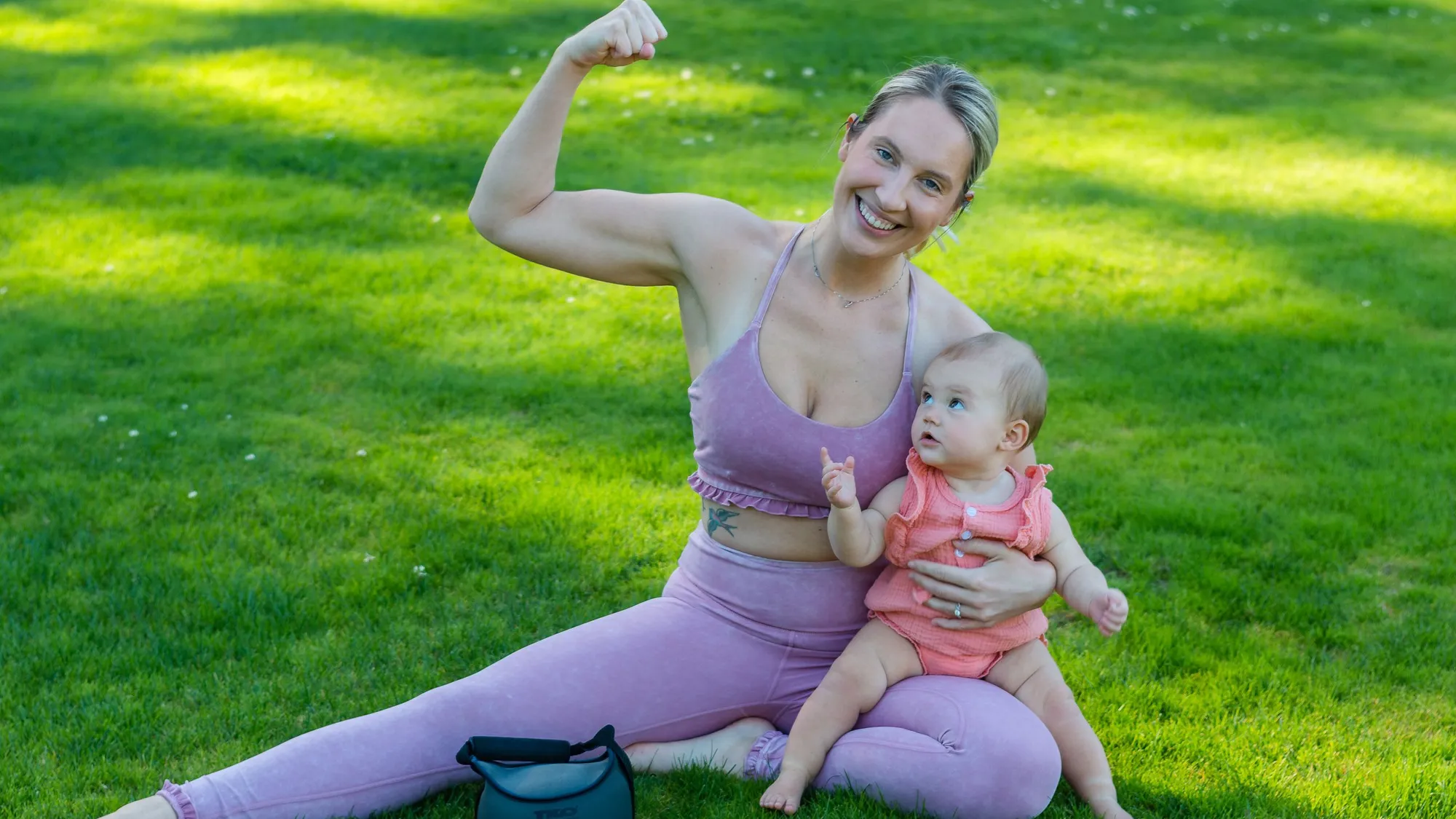
Deep core and pelvic floor first, then strength, in stages. Nothing about it looks like a team lift. The stages are on the postpartum training page.
Staying steady past 65
A personal trainer
Leg strength and balance, tested before anything is loaded and progressed slowly. My guide for older adults covers how that starts.
Faster, stronger for a sport
A strength and conditioning coach
A high school or college athlete with a season, practices and a team should work with that program’s strength staff first. They know the sport, the schedule and how hard practice already is.
When a Strength and Conditioning Coach Is the Better Call
I have trained collegiate athletes alongside new moms, and I would still tell a varsity athlete to start with the team’s strength coach. That coach sees the practice plan, knows when the big games are and can manage the whole load. Adding a second lifting program on top of that, from somebody who cannot see the rest of the week, is how athletes end up tired at exactly the wrong time.
Look for a strength and conditioning coach if:
You compete in a sport with a season, and performance in it is the goal.
Your school or team already has strength staff. Use them first; they are usually free to you.
You need sport-specific speed, jumping or agility work tied to a competition date.
Everybody else, which is most people reading this, is better served by somebody whose whole job is the person in front of them rather than the team on the schedule.
Five Questions to Ask Either One Before You Pay
01
What is your certification, and is it current?
Ask which one, from whom, and when it was last renewed. Then ask what they have studied since, because that is where the difference between trainers shows.
02
How will you assess me first?
You want a real answer: balance, strength, flexibility, your history. “We will just see how you do” is not one.
03
Who will actually be watching my sessions?
One person, every rep, or somebody moving between a dozen people? Both can work. Know which you are paying for.
04
How do you decide when the weight goes up?
The honest answer is “when the last session went well.” Be wary of anyone with a fixed schedule for adding load that does not depend on you.
05
What do you do when something hurts?
Stop, change the exercise, and send you to a doctor or physical therapist when it is more than ordinary soreness. Anyone who says “push through it” has answered for you.
Training With Me in South Tampa
I train every client myself, in person at Empire MMA and Fitness, 5006 S MacDill Ave in South Tampa, Monday–Friday, 5am–1pm. If you are looking for a personal trainer in South Tampa and your goal is in the personal trainer column above, that is what I do every weekday morning.
Private sessions are $60 for 30 minutes or $120 for 60 minutes, and the packages and prices are published. The first session is free. Book it here, and I will call you within 24 hours to set the time, or call me on 813-590-7226. Bring a friend if you like: if they come in for a session, you get another personal training session free.
Questions I Get Asked About Coaches and Trainers
Is a strength and conditioning coach better than a personal trainer?
Not better, different. A strength and conditioning coach is built to make athletes perform in a sport and a season. A personal trainer is built to help an ordinary adult get stronger, lose weight or move without pain. Pick the one built for your goal.
Can a personal trainer do strength and conditioning?
Yes. Intervals, sled work, loaded carries and heavy lifting are all part of a good personal trainer’s toolbox. What a personal trainer usually does not do is plan your training around a team’s season, which is the part a strength and conditioning coach specialises in.
Does Medicare cover a personal trainer for seniors?
Medicare’s own site says Medicare does not cover gym memberships or fitness programs, and that some Medicare Advantage plans offer them as extra coverage. The only reliable answer for you comes from your plan, so call it before you count on anything. Nothing on this site says my sessions are covered; the price is published in full and the first session is free.
How many days a week should a 70 year old lift weights?
The CDC’s guidelines for adults 65 and older call for muscle-strengthening activity at least two days a week, plus balance work and about 150 minutes of moderate activity such as brisk walking across the week. Two strength sessions with a rest day between is a good start, once your doctor has cleared you to exercise.
Is $300 a month a lot for a personal trainer?
It depends on what it buys. With me, $300 is five 30-minute sessions at $60 each, a little more than once a week. Twice a week at that length is $480 to $540 a month. Compare any trainer on the same terms: sessions per month, minutes per session, and whether it is one-on-one.
Is there a free exercise program for seniors?
Yes. The CDC and the National Institute on Aging both publish free exercise guidance for older adults, many Medicare Advantage plans include a fitness benefit, and community centers often run low-cost classes. What a free program cannot do is watch your form and adjust it. My first session, with its fitness evaluation, is free too.
What happens at your free first session?
A free body-fat analysis, a free fitness evaluation testing balance, strength, coordination and flexibility, and a one-on-one workout built around your goals. It is in person at Empire MMA and Fitness on S MacDill Ave, and there is nothing to sign. If you want to keep going, packages run 12, 24 or 36 sessions at the same rate.
Start Here
Not an Athlete? Then Start With a Trainer.
Tell me your goal and what your week looks like, get a body-fat reading and a fitness evaluation, and leave with a plan built for you rather than for a season. There is nothing to buy at the end of it.
The holidays do not have to undo the year, and January does not have to be a restart. Here is what a personal trainer actually does for weight loss, week by week, from early November to New Year’s.
Most Ironman plans do not fail on race day. They fail in week nine, on a sore knee, a skipped recovery week or a long ride with nothing to eat. Here are the nine mistakes I see most, and the fix for each.
A waist trainer changes your shape for exactly as long as it is laced. Here is what it actually does, the five claims it is sold on, and what changes your waist for good.