Ironman Training Plan: 9 Common Mistakes and How to Avoid Them
Most Ironman plans do not fail on race day. They fail in week nine, on a sore knee, a skipped recovery week or a long ride with nothing to eat. Here are the nine mistakes I see most, and the fix for each.
You signed up, or you are about to. There is a race date on the calendar, a free ironman training plan open in another tab, and a number at the top of it that looks like a second job. Good. Respect for that number is where finishing starts.
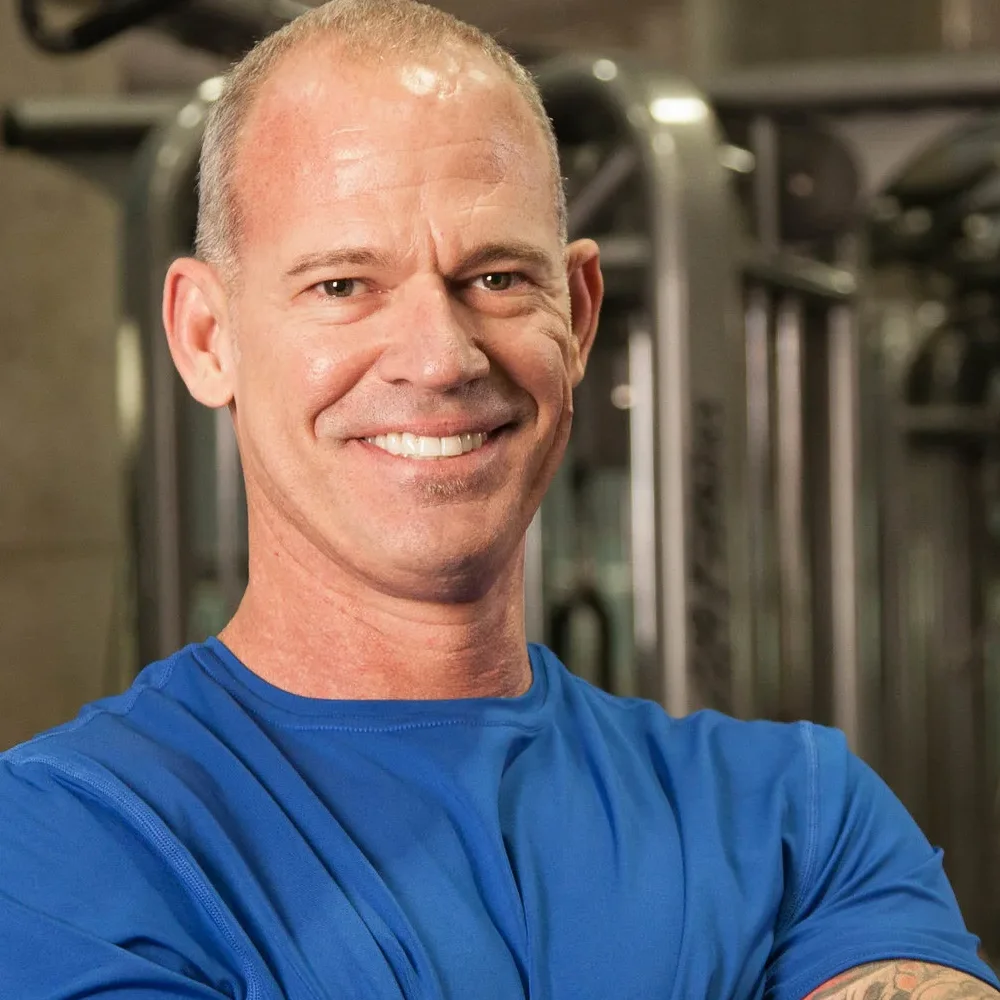
I have spent 20+ years training clients privately in South Tampa. I am not a triathlon coach, and I will say exactly where my lane ends further down. What I know, from the strength side, is that a body breaks down under long training in predictable ways, and the plan on paper is rarely the problem. The same handful of mistakes is.
What an Ironman Training Plan Has to Get You Through
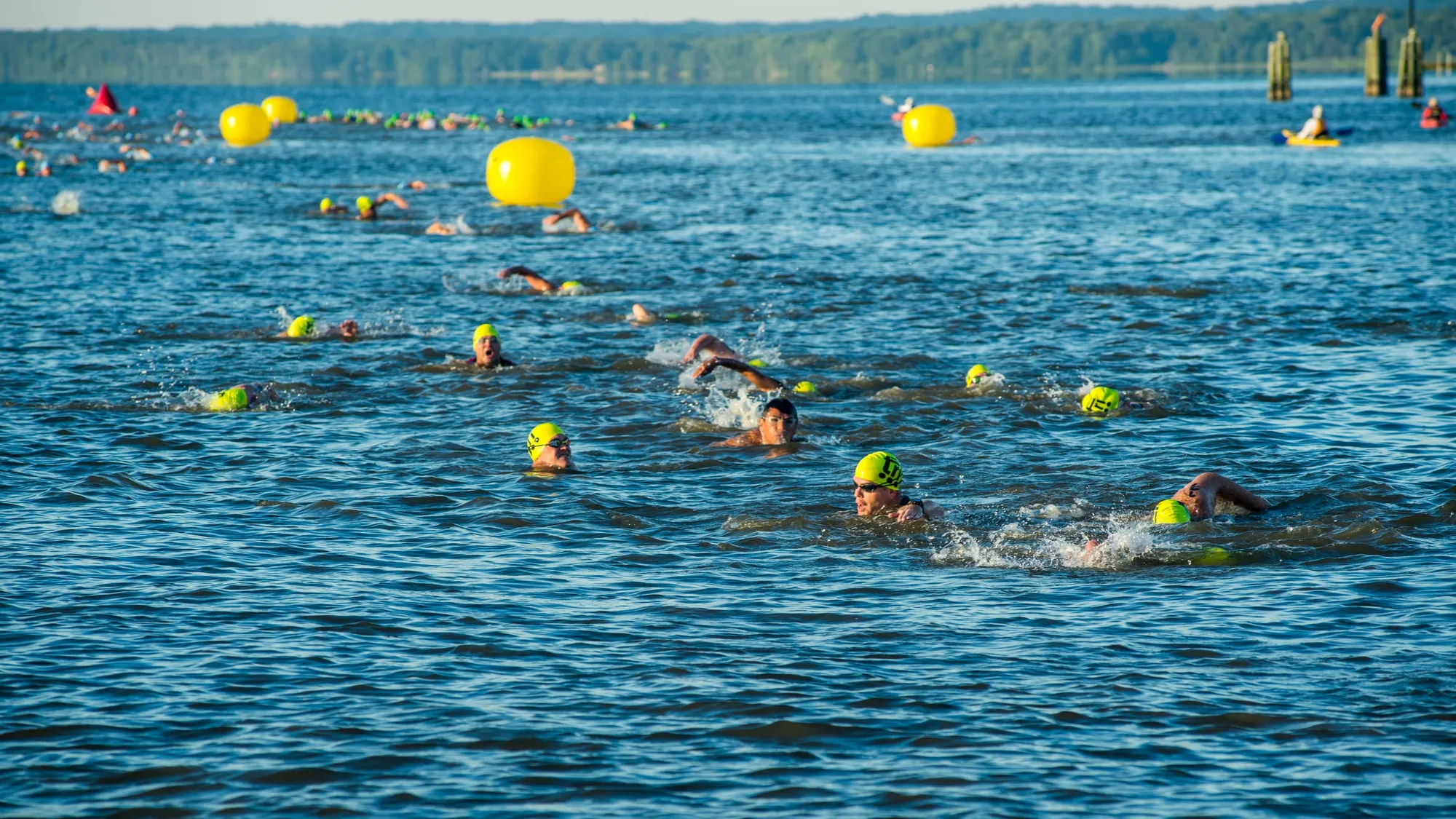
A full Ironman is a 2.4-mile swim, a 112-mile bike and a 26.2-mile run, back to back, 140.6 miles in one day. Most full-distance races give you about seventeen hours to finish. Most plans for it run somewhere between twenty and thirty weeks, and nearly all of them assume you can already swim, ride and run comfortably before week one.
Whatever the brand of plan, it is built from the same four phases:
01
Base
Lots of easy hours, technique in the water, and the strength work that makes the rest possible. It feels too easy. It is supposed to.
02
Build
Longer weekend sessions, some harder intervals, and bricks: a ride followed straight away by a run, so your legs learn the change.
03
Peak
The biggest weeks of the plan, with race-pace work and full dress rehearsals of your race-day food, drink and kit.
04
Taper
Usually the last two to three weeks. Volume comes down, a little intensity stays, and your body finally gets to absorb everything above.
The 9 Most Common Ironman Training Plan Mistakes
1. Starting the Plan With No Base
A twenty-week plan written for somebody who already runs and rides every week is a very different thing for somebody starting from the couch. If you cannot comfortably run for thirty minutes, ride for an hour and swim a steady half mile today, the plan starts before the plan. The fix: give yourself months of easy, regular training first, or pick a race far enough away to fit it in. A shorter triathlon on the way is a great checkpoint.
2. Adding Hours Faster Than Your Body Can Keep Up
Your heart and lungs adapt to more training quickly. Tendons, joints and bones take much longer, and they do not send a warning until something hurts. Running is where this shows up first, because every stride is a landing. The fix: build gradually. Many coaches use a rule of thumb of roughly ten percent more a week at most, and the run gets the most caution. Add one thing at a time: more time or more intensity, never both in the same week.
3. Dropping Strength Training When the Hours Go Up
This is the one I see most, and the one I care about most. Strength work is the first thing cut when the long ride gets longer, because it does not feel like training for an endurance race. But it is what keeps hips level on mile twenty of the run, a back that can hold an aero position for hours, and knees that track straight when you are tired. The fix: keep two short sessions a week through base and build, and at least one through peak. More on what goes in them below.
4. Training Every Session at the Same Medium Effort
The easy days get done a little too hard, so the hard days can only be done a little too easy, and every week becomes the same tiring middle. You finish the plan fit and flat. The fix: make easy days truly easy, where you could hold a conversation, and keep a small number of sessions genuinely hard. Many endurance coaches aim for most of the week, often around four-fifths of it, at that conversational effort. An Ironman is mostly raced at a steady, controlled pace anyway.
5. Treating Recovery Weeks and Sleep as Optional
Training is the stress. Getting fitter happens while you recover from it. Most plans build a lighter week every third or fourth week, and those are the weeks people quietly fill back in because they feel good. The fix: take the down week as written, and protect your sleep the way you protect the long ride. If you are a new parent or sleeping badly for any reason, plan fewer hours rather than the same hours on less rest.
6. Training Your Favorite Sport Instead of Your Weakest
Cyclists ride more, runners run more, and the swim gets two pool sessions and a prayer. Then race morning is open water, a crowd of arms and no wall to rest on. The fix: give your weakest leg a fair share of the week, get coached on your swim stroke if it is the weak one, and swim in open water before race day. Tampa Bay is not a lane line, and sighting a buoy in chop is a skill you practise, not one you discover.
7. Leaving Race-Day Fueling Until Race Day
Seventeen hours is long enough that what you eat and drink decides how the day goes. A stomach that has never had a gel at hour five, on the bike, in the heat, will let you know. The fix: treat every long ride and run in the build and peak phases as a rehearsal. Use the same drinks and food you will race with, at the same rate. For personal numbers on carbohydrate, fluid and sodium, a sports dietitian is the right person. Timing your food around training is one of my courses, “Nutrient Timing” (2019), but a race-day fuelling plan for 140 miles deserves a specialist.
8. Training Like You Live Somewhere Cool
In Tampa, the long run in July is a different workout from the same run in January. Heat and humidity push your heart rate up at the same pace, raise the amount you sweat out, and make every mistake above cost more. The fix: go early. Long runs on Bayshore finish before the sun gets serious, and long rides start at first light. Slow down on hot days by effort, not by your watch, carry more fluid than you think, and plan routes with somewhere to refill.
9. Making Up Missed Sessions and Training Through Pain
Life will cancel workouts: a sick kid, a work trip, a storm. Cramming the missed ones into the next few days is how a missed week turns into an injury. And a pain that changes how you run, gets worse during a session or is still there the next morning is not something to push through. The fix: let missed sessions go and pick the plan up where it is today. Swap a run for a ride or a swim when something is sore, and see a doctor or physical therapist about pain that does not settle within a few days.
Strength Training for Ironman: What It Looks Like
Strength work for an Ironman is not bodybuilding, and it is not another cardio session. It is short, it is heavy enough to matter, and it targets the places long hours break down. Thirty to forty-five minutes is plenty.
What I build into it:
Single-leg work. Split squats, step-ups and single-leg deadlifts. Running is a long series of single-leg landings, and this is where hips and knees learn to stay in line.
The hips and glutes. Bridges, hip thrusts and lateral band work, for the muscles that stop your knees caving in and your pelvis dropping late in the run.
A core that resists. Planks, side planks, dead bugs and carries. On the bike your trunk holds you still for hours; on the run it keeps you upright when you are tired.
The upper back and shoulders. Rows, pull-aparts and face pulls for the swim and for an aero position that would otherwise round you forward.
Calves and feet. Slow, heavy calf raises, bent and straight knee. They take a beating on the run and get skipped almost everywhere.
Two sessions a week through base and build, then one shorter session through peak, and the last heavy session well before race week. Put it on a hard day or after an easy session, not the day before your long ride. Form comes before load, every time. Two of my courses sit right here: “Avoiding Common Fitness Injuries” (2017) and “Good Knee / Bad Knees” (2017).
This is an example of a build-phase week for an age-grouper with a job, about eleven to fourteen hours. It is not a prescription; your plan, your weak leg and your schedule decide the real one.
Monday: rest, or an easy swim. Real rest, not a secret workout.
Tuesday: bike intervals, plus a 30-minute strength session.
Wednesday: swim technique and steady sets, then an easy run.
Thursday: run with a short block at goal effort.
Friday: easy swim, plus a short strength session if you are in base or build.
Saturday: the long ride, at race effort for part of it, with a short run straight off the bike. Rehearse your race fuelling.
Sunday: the long run, easy, and an open-water swim when you can get one.
Notice how little of it is hard. Two or three sessions carry the intensity. Everything else is easy, and the strength work sits where it does not wreck the weekend.
Ironman Training Over 40, or After a Baby
If You Are Over 40
Plenty of people do their first Ironman after 40, and plenty do their best one. The rules shift a little: recovery takes longer, so a lighter week every third week often works better than every fourth; muscle fades faster when nothing asks for it, so the strength sessions matter more, not less; and old injuries need to be in the plan rather than discovered by it. I wrote more on what changes in the women-over-40 guide and the guide for men over 50.
If You Are Coming Back After a Baby
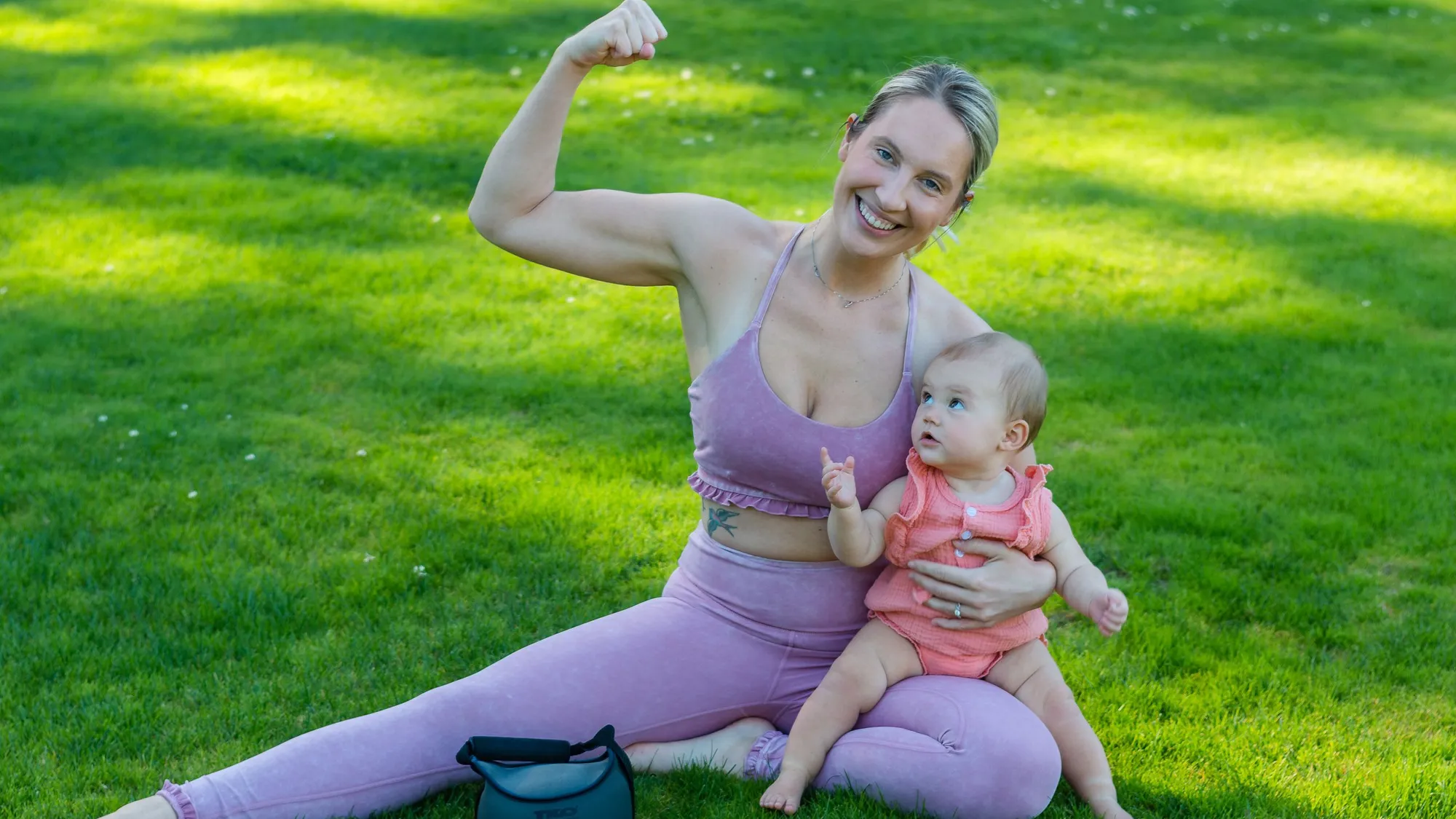
First things first: everything here starts after your OB or midwife has cleared you to exercise. That is usually around six weeks, and later after a cesarean (C-section) or a difficult delivery. Until then, resting is the training. Clearance to exercise is not the same thing as being ready for an Ironman, though. Running is impact, and long rides load the pelvic floor. A pelvic floor physical therapist is worth seeing before the miles go up, and leaking, heaviness or pain are signs to stop and get checked, not to push through.
Then rebuild in order: deep core and pelvic floor, then strength, then impact, then distance. Sleep will be short, so plan fewer hours and a race further away. My postpartum personal training page walks through the order I take new moms through, and it is the same order whether the goal is a stroller walk or a finish line.
Where a Personal Trainer Fits in Your Ironman Training Plan
Plainly: I do not write swim sets, bike power zones or run paces. For those, use a triathlon coach or a good published plan. What I do is the strength side, and it is the side most plans hand you as a two-line note.
An evaluation before any load. Balance, strength, coordination and flexibility, so the program starts with the side that is weaker and the joint that complains.
Strength sessions built around your training week. Short, specific, and moved when your long ride moves.
Form fixed mid-set. Single-leg work done wrong just practises the problem.
Accountability for the rest of the week. We talk about sleep, food and how the plan is going, and I hold you to what you told me.
I have been NASM certified since 2004, and I train every client myself, in person at Empire MMA and Fitness, 5006 S MacDill Ave in South Tampa. Sessions run Monday – Sunday, so a strength session before work fits around a plan that already owns your weekends. Private sessions are $60 for 30 minutes or $120 for 60 minutes, and the packages and prices are published. Book your free first session and I will call you within 24 hours to set the time, or call me on 813-310-4323. Training for the same race as a friend? If they come in for a session, you get another personal training session free.
Ironman Training Plan Questions
How long is a typical Ironman training plan?
Most full-distance plans run somewhere between twenty and thirty weeks, and they assume you can already swim, ride and run comfortably on day one. If you are starting from little or nothing, add several months of easy base training first, or choose a race further out.
How many hours a week do you train for an Ironman?
It varies with the plan and the athlete, but most age-group plans start well under ten hours a week and build to their biggest weeks in the peak phase, often somewhere in the mid-teens of hours. Recovery weeks and the taper come back down. Hours you can recover from beat hours you cannot.
Should I do strength training while training for an Ironman?
Yes. Two short sessions a week through base and build, and one through peak, focused on single-leg work, hips, core, upper back and calves. It helps you hold your form when you are tired and it is usually the first thing cut, which is the mistake.
What is the biggest Ironman training mistake?
Doing too much too soon, usually on the run. Fitness comes fast; tendons, joints and bones adapt slowly. Build gradually, keep most sessions easy, take the recovery weeks and keep your strength work in the plan.
Can you train for an Ironman after 40?
Many people do, and plenty do their first one after 40. See your doctor first, expect to need a little more recovery, often a lighter week every third week, and treat strength training as essential rather than optional.
Can I train for an Ironman after having a baby?
Once your OB or midwife has cleared you, and ideally after seeing a pelvic floor physical therapist, yes — but rebuild in order: deep core and pelvic floor, then strength, then impact, then distance. Choose a race far enough away that the plan can fit around short sleep.
Start Here
Get Strong Enough for the Plan You Picked.
Tell me about your race, your training week and the joint that complains, get a body-fat reading and a fitness evaluation, and leave with a strength plan that fits around your swim, bike and run. There is nothing to buy at the end of it.
A waist trainer changes your shape for exactly as long as it is laced. Here is what it actually does, the five claims it is sold on, and what changes your waist for good.
You eat less than you did at thirty, you walk Bayshore three mornings a week, and the scale has not moved since spring. Here is what actually works for weight loss after 40.
The stairs feel steeper, your hand finds the railing without asking, and the curb that caught your toe last month is still on your mind. Here is how strength and balance get trained back.