Personal Trainer After Knee Replacement in Tampa: When Physical Therapy Ends
Physical therapy has signed you off, your surgeon is pleased, and you still take the stairs down one at a time. Here is how the strength comes back from here, for a new knee or a new hip.
You are sixty-four. The knee was replaced in the spring, physical therapy did its job, and at the last visit you were discharged: walking without the cane, bending well, safe on your own. Everybody was pleased, and so were you.
Three months on, you still take the stairs down one step at a time. The low sofa needs a hand on the armrest. You have not been down on the floor since before the operation, and you are not sure you are allowed to be.
So you went looking for a personal trainer after knee replacement in Tampa, and found the physical therapy clinics you have already graduated from, surgeon pages about the operation itself, and group classes built for somebody else’s knees. What is missing is the part in between, which is where most of the strength actually comes back.
Discharged Is Not the Same as Finished
Physical therapy is built to make you safely functional, and discharge usually comes when you are. Strong is a different finish line. Orthopedic guidance commonly describes recovery continuing for months after the visits end, up to about a year, and what you do in those months decides a lot about where you land.
What usually lags behind, for a new knee or a new hip:
Going down stairs. Lowering your whole weight on one leg, slowly, is one of the hardest things a knee does, and it is often the last thing to come back.
Getting up from low places. A sofa, a car seat, a golf cart, the floor. Each one is a squat with no handrail.
Standing on one leg. Pulling on socks, stepping up onto a curb, stepping off a boat onto a dock. Balance fades quietly after months of favoring one side.
The other leg, and both hips. They have been covering for the painful joint, often since well before surgery, and they are rarely where they should be.
Trust. Part of you is still waiting for the joint to give. That is trainable too, and it comes back the same way the strength does: one good rep at a time.
None of that means physical therapy fell short. It means the next stage is training, and training is a different job.
What a Personal Trainer After Knee Replacement in Tampa Should Ask First
Not how much you can squat. The first questions are what your surgeon has said and what physical therapy left you with, because those two answers set the edges of everything that follows. Bring them with you:
Your surgeon’s restrictions, written down if you have them: kneeling, deep bending, impact, and when each is expected to lift.
For a hip, the precautions you were given. They depend on how the operation was done, which is exactly why they come from your surgeon and never from a guess in a gym.
Your physical therapy discharge notes and home exercises. They are the starting point, not something to replace. Early sessions build on them rather than starting over.
Everything else on the list. The other knee, a sore back, a shoulder, blood pressure medication. A plan built around one joint still has to fit the whole person.
Then the free first session does what it does for everyone: a free body-fat analysis, and a fitness evaluation that tests balance, strength, coordination and flexibility. On a new joint, each of the four answers a specific question:
Balance. How steady you are standing on the operated side compared with the other, and what your hands reach for.
Strength. Whether the operated leg is doing its share of the work, or the other leg is quietly doing it for both.
Flexibility. How much bend and straightening the joint has kept since discharge, and whether the hips and ankles around it stiffened while it healed.
Coordination. Whether you can step and turn at the same time, which is what a curb, a kitchen and a golf swing all ask of you.
Five Things to Rebuild, in This Order
Most people want something specific back: golf, pickleball, a long walk down Bayshore, a flight of stairs without the rail. All of those are built from the same five pieces, and the order matters more than the exercises.
01
Straighten fully, and switch the thigh on
A knee that will not quite straighten, or a thigh muscle that is slow to fire, makes every movement after it harder. If your home exercises were working on either, they are not finished just because the visits are.
02
Sit to stand, then lower
From a chair, then a lower chair, then a box that decides the depth for you. It is a squat with a seat under it, and it is the movement you do most in a day.
03
Step up, then step down
Up is strength. Down is control, and down is what stairs actually test. A low step first, a rail or a strap within reach, and height added only when both legs look the same.
04
Stand on one leg
Beside a rail, then holding a strap, then on your own. Balance comes back when it is trained and rarely before, which is why Balance and Fall Prevention is a course on my record.
05
Get down to the floor, and back up
Last, not first, and only after you have asked your surgeon about kneeling. Many people find it uncomfortable on a new knee. It starts half-kneeling onto the other side, on a pad, with something solid to hold.
My fitness and personal training philosophy is that if you make small changes every day, it will result in a huge transformation over time.
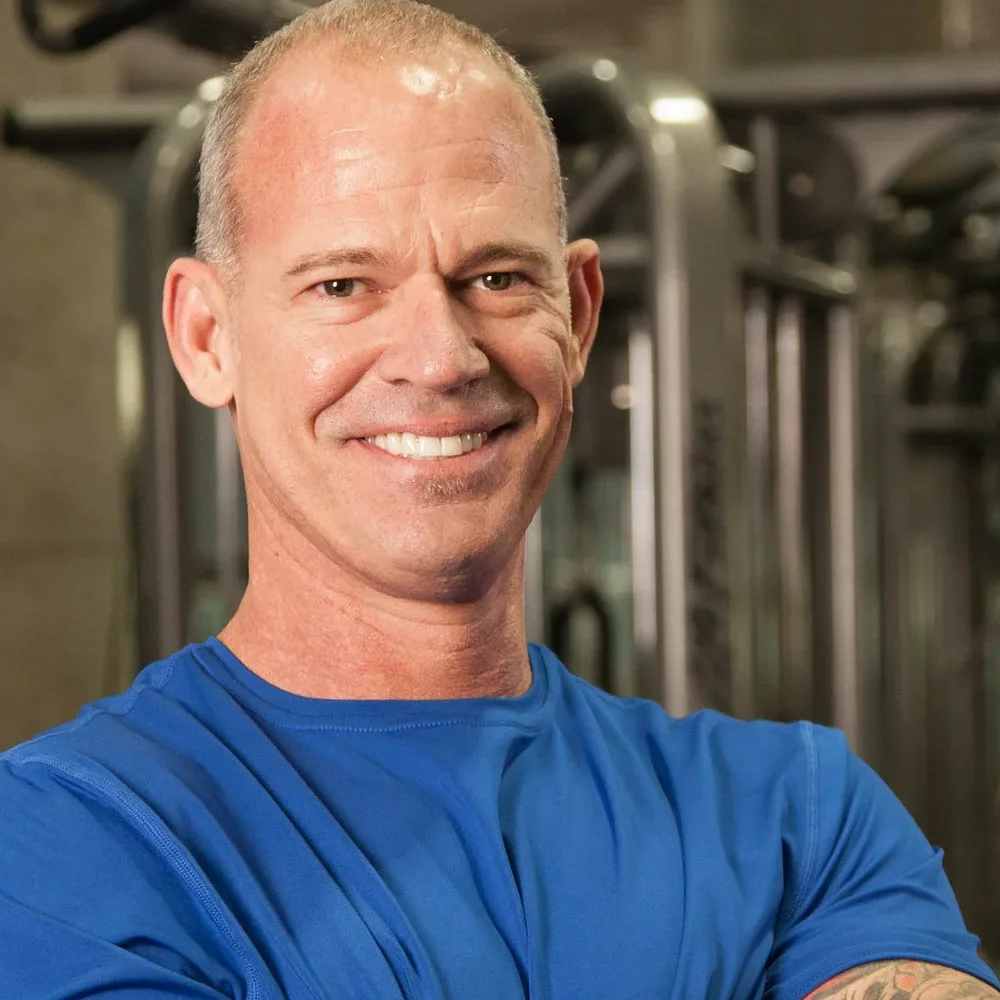
Craig Chapin, NASM Certified Personal Trainer
What to Load, and What to Leave to Your Surgeon
Load is not the enemy of a new joint. Impact and guesswork are. Broadly, and always inside what your own surgeon has cleared:
Usually a good place to start
Sit-to-stands to a box, then goblet squats to the same box
Step-ups onto a low step, and slow step-downs off it
Sled pushes and pulls, which load the legs with no impact at all
Hip bridges and light hip hinges
Leg press through a range that stays comfortable
Single-leg balance with a rail or a strap in reach
Walking and the stationary bike, which surgeons commonly encourage, on the days between
Leave until your surgeon says otherwise
Running, jumping and box jumps: surgeons commonly advise against high impact on a replaced joint
Loaded deep squats and deep lunges before your range allows them
Kneeling work, until you have asked
Any hip position your precautions rule out
Timed circuits with jumps and fast changes of direction
Pickleball, tennis and golf at full effort, until you are cleared for them
Nothing on the right is off the table forever, and several of those are exactly where people want to end up. When is a decision your surgeon makes and your training earns. What a fast class cannot do is make that call for you set by set, and a new joint needs somebody making it.
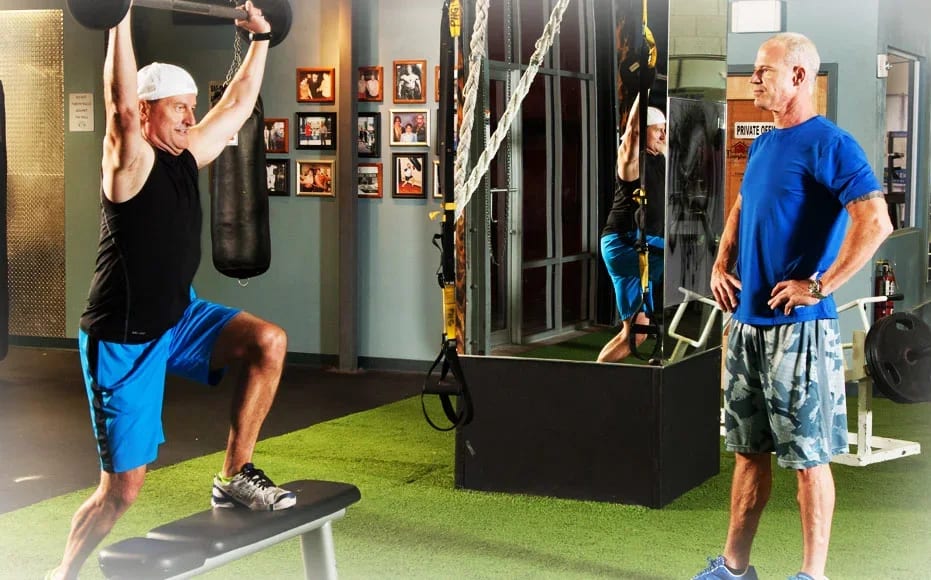
A step-up much further down the road: loaded, overhead, and still watched rep by rep. Nobody starts here.
If It Was Your Hip, Not Your Knee
Almost everything above applies to a new hip. Three things change the emphasis:
Precautions come first, and they are yours. Depending on how the surgery was done, you may have positions to avoid for a period afterward. Bring the list. It overrides any exercise anybody suggests, mine included.
The glutes are the job. The muscles at the side and back of the hip hold your pelvis level when you stand on one leg, so bridges, hinges and single-leg balance matter even more here than for a knee.
The old limp can outlast the old joint. Months or years of protecting a painful hip teach a way of walking, and a new hip does not automatically unteach it. That is one more reason to have somebody watching you move rather than handing you a sheet.
What the First Twelve Weeks Usually Look Like
Two sessions a week, thirty or sixty minutes, starting once your surgeon has cleared you for independent exercise. This is the usual shape of it, not a promise about your joint:
01
Weeks 1–4 · Pick up where PT stopped
The evaluation sets the baseline, and your home exercises become the warm-up rather than the whole plan. Load goes up slowly, only on movements that looked good last time. Nothing is tested to a maximum.
02
Weeks 5–8 · Stairs, chairs and one leg
Lower boxes, slower step-downs, longer single-leg holds. Your body-fat baseline is rechecked as we go, so progress is something you can see written down.
03
Weeks 9–12 · Train for the thing you miss
Whatever you told me on day one, now trained for directly and within what your surgeon has cleared. From here some people stay one-on-one, and some add a Buddy Session with a friend, scaled to where they are.
One Tampa note. From June through September the long outdoor walk is usually the first habit to slip, because the heat makes it miserable. Two sessions a week indoors keep the work going through the months when Bayshore is too hot to enjoy.
Training With Me in South Tampa
All training is in person at Empire MMA and Fitness, 5006 S MacDill Ave in South Tampa, in thirty- or sixty-minute sessions, private one-on-one or with a friend. Sessions run Monday – Sunday, and clients come from South Tampa, Westshore, Brandon and Channelside.
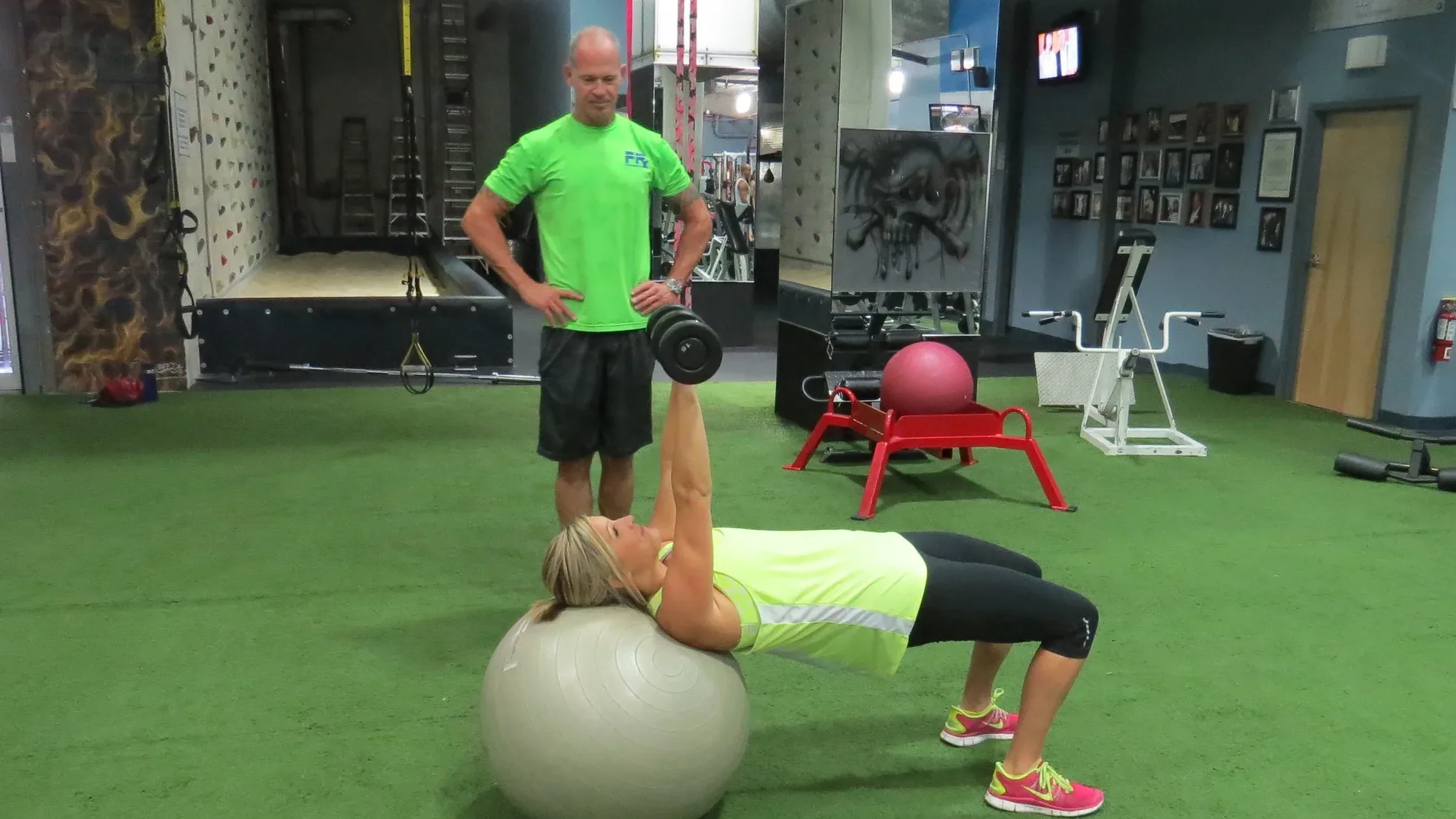
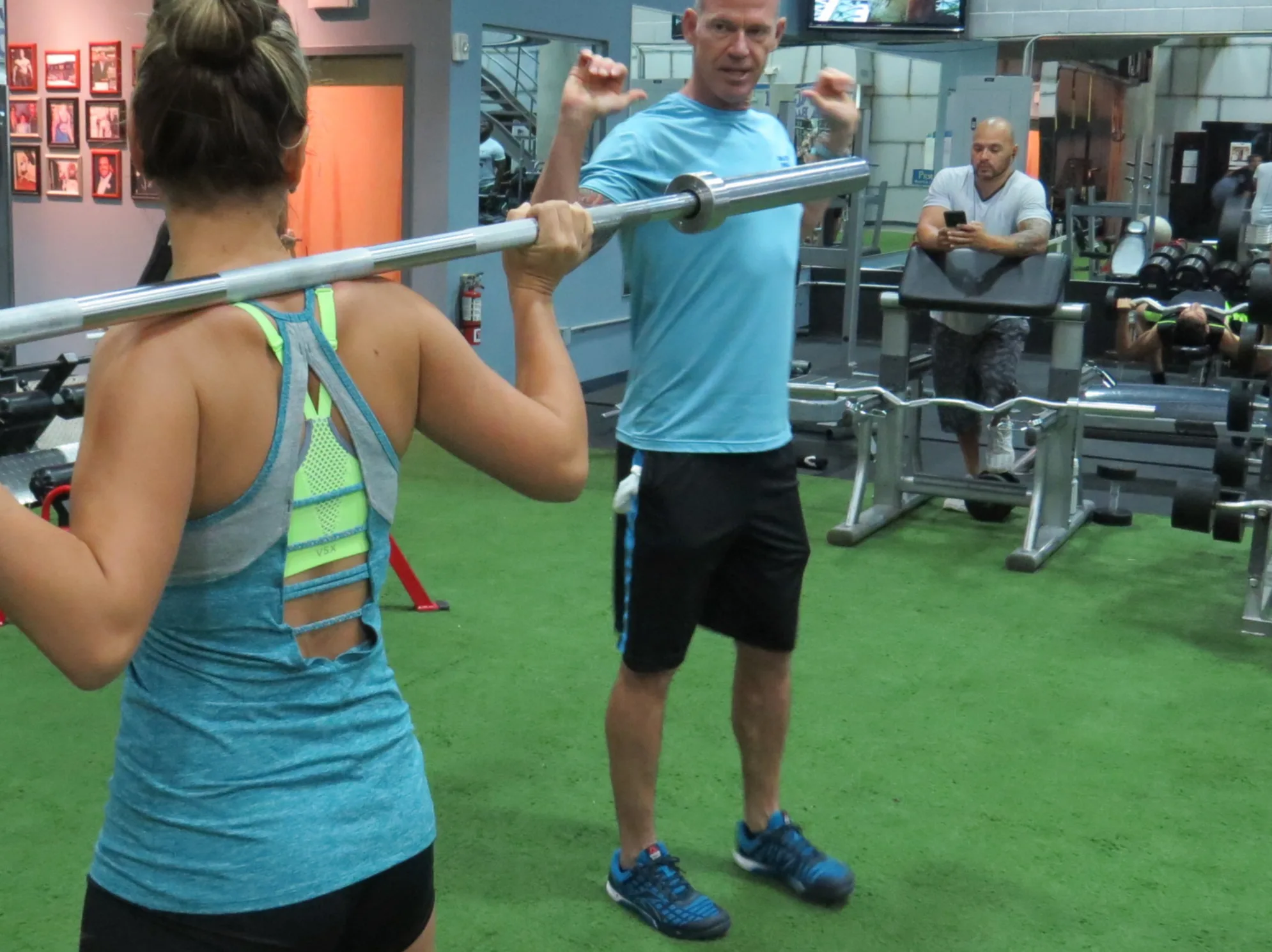
You would be training with me: Craig Chapin, NASM certified since 2004, with 20+ years training clients privately. The person who runs your evaluation is the person watching every session after it.
Older-adult training is the deepest part of my continuing-education record, 13 of 31 courses, and two of them are about exactly this: “Exercise for Chronic Disabilities: Life After Hip or Knee Replacement” (2015) and “The Bionic Elder: Training with New Knees and Hips” (2019). Beside them sit “Balance and Fall Prevention” (2015) and “Good Knee / Bad Knees” (2017). The full record, with years, is on the About page.
How soon after knee replacement can I start with a personal trainer?
When your surgeon clears you for independent exercise, which for many people is around the time physical therapy wraps up. There is no single week that fits everyone, so the date comes from your surgeon, not from me.
Is a personal trainer a replacement for physical therapy?
No. Physical therapy is medical rehabilitation run by licensed clinicians, and if you are still in it, finish it. Personal training picks up afterwards: strength, balance and confidence built on top of what physical therapy restored, inside the limits your surgeon sets.
Can strength training damage a knee or hip replacement?
Questions about the implant itself belong with your surgeon. What training controls is how load is added: low-impact movements, in the range you are cleared for, increased only after the last session went well. Surgeons commonly advise against high-impact activity such as running and jumping on a replaced joint, and the first months here involve neither.
My surgery was a year or two ago and I never got strong. Is it too late?
Usually not. Strength responds to training at any age, and the evaluation finds where you are now rather than where you think you should be. Tell your surgeon you are starting, and bring anything they tell you.
Will I be able to play golf or pickleball again?
That is a clearance question for your surgeon. Many surgeons clear golf once recovery allows, on their own timeline; pickleball and tennis vary more. What training can do is make sure your legs, hips and balance are ready for whatever you are cleared to do.
Do you train people after a hip replacement too?
Yes. Most of this article applies to a new hip, with two differences: the precautions your surgeon gave you take priority over every exercise, and the work leans harder on the glutes and single-leg balance. Bring your precautions to the first session.
Start Here
Bring Your Notes. The First Session Is Free.
Bring your surgeon’s restrictions and your physical therapy notes, let me watch how the new joint moves, and leave with a plan built around what you are cleared to do. It costs nothing, and there is nothing to buy at the end of it.
Your back is stiff by three in the afternoon, the last class you tried left you on the floor for two days, and you still want to be strong. Here is the order those things have to happen in.